Showing posts with label Blackthorn. Show all posts

Tuesday, 29 September 2020

BSBI Garden Wildflower Hunt - 6th (Last) Survey

 On the 13th of September, two and a half months after the 5th survey, I completed the 6th and final survey of our garden wild flowers.  Previously, I had been doing surveys once every few weeks but the rush of growth has slowed right down and I had to wait for the new plants to grow big enough for identification.

This time, there were just four new species to add to the list.

Fat hen

The first of these was Fat-hen (Chenopodium album). According to to Mabey's Flora Britannica, this member of the spinach family, was a popular crop during pre-historic times. 


Another was Junglerice (Echinochloa colona), which was growing near the bird table - maybe this came from the bird seed.  The other two newcomers to the list were Red Clover (Trifolium pratense) and Goat Willow (Salix caprea).

Many of the plants, I recorded as flowers in spring are now fruiting.  


The hawthorn (Crataegus monogyna) has fine red berries.


Blackthorn (Prunus spinosa) berries have a gentle blue bloom.
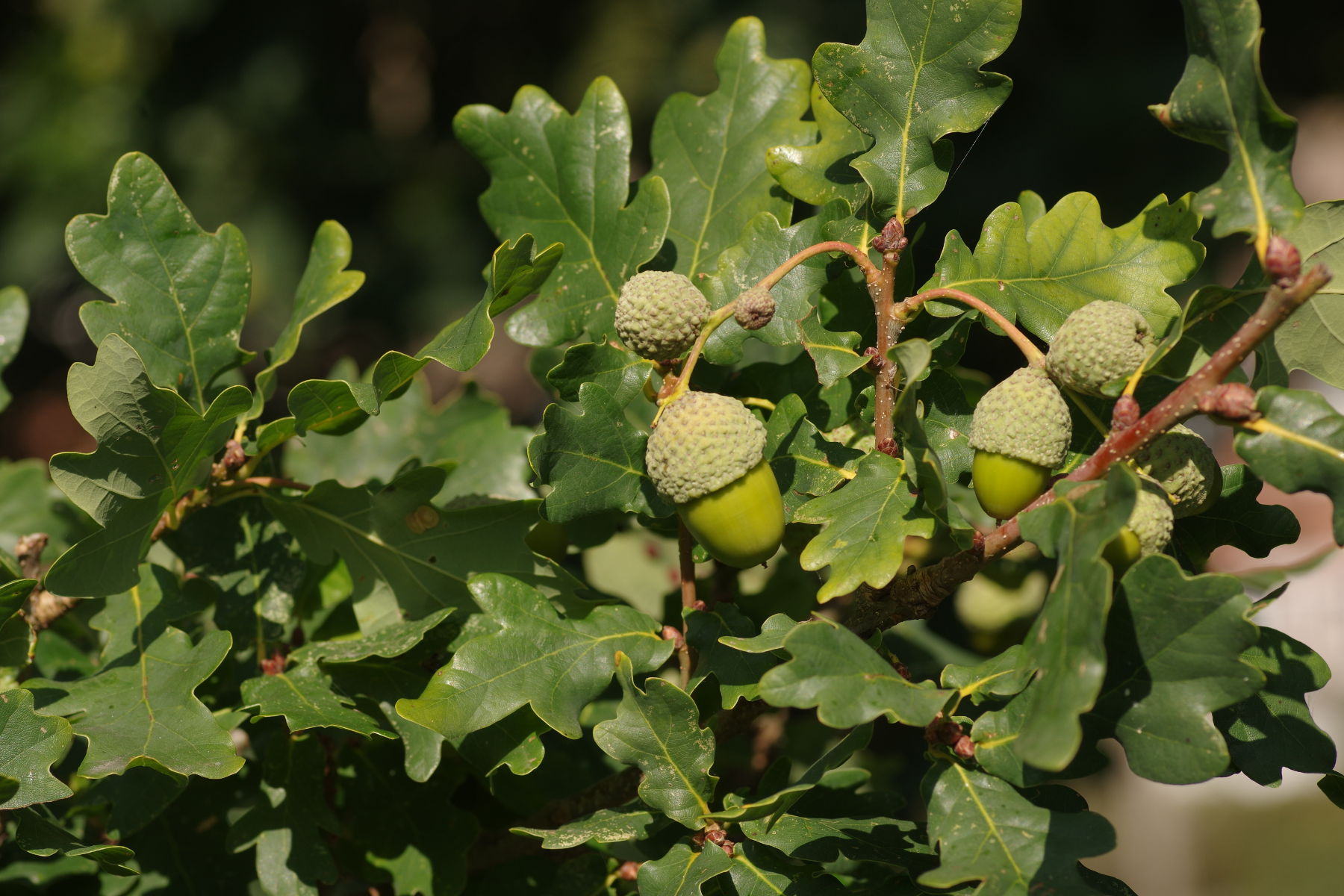

The Acorns (Quercus robur) have reached their full size.


Meanwhile, some summer flowers such as Catsear (Hypochaeris radicata) have kept on flowering for weeks.


There has been some very unseasonable behaviour from some spring flowers. The Marsh Marigold (Caltha Palustris) is having a second flush of flowers.  In the Uckfield area, I have seen both hawthorn and apple in blossom.


For the BSBI Garden Wild Flower Hunt, I have recorded a total of 107 species of wildflowers and plants, of which:

  • 79 probably occurred naturally in our garden
  • 28 were sown or planted.

I was amazed to get so many - especially finding species that I had not noticed before.  The other surveys were:

Wednesday, 19 March 2014

Lambs

Just over a month ago, it all started kicking off in the garden. Now spring seems to be full swing.  The gardens are blazing with daffodils, primroses and all sorts of other spring flowers.  Blackthorn is out and pink blossom is everywhere.
 
Watercolour of spring flowers.
A fox or two has visited most nights and we have had another visit from the badger. We have had all sorts of butterflies including peacock, small tortoiseshell, yellow brimstone, comma and red admirals.

Best of all, while driving round the Uckfield bypass this morning, I saw lambs. Spring really is here.

Sketch of ewe and lambs.

Tuesday, 12 March 2013

Blackthorn winter

I must admit that I really didn't believe it when they first started forecasting snow just before the weekend. Surely the most we could expect at this time of year is a light dusting. Oh how wrong I was.  As I travelled to work Monday morning, I admired the pretty blossoms of blackthorn and almond. On the way back I was glaring at increasingly heavy, driving snow. In The Woodlands (1825) William Cobbett talks about blackthorn winter.

It is a remarkable fact, that there is always, that is every  year of our lives, a spell of cold and angry weather, just at the time that this hardy little tree is in bloom. The country people call it the Black Thorn winter; and thus it has been called, I dare say, by all the inhabitants of this island, from generation to generation, for a thousand years.

Over the last day or so the weather has been more than angry enough. When I was coming home Browns Lane in Uckfield was getting too treacherous for most vehicles. The snow seemed to be falling in gusts and flurries for most of the night. By morning it wasn't, on average, very deep but the wind had swept snow off the Dene and onto the pavement and road. When I trudged to the shops it came over the top of my boots. Our little daffodils were completely buried and there was a good dusting over the trees and shrubs.


The aptly named Cornish Snow camelia, photographed 12 March.

But what of our wildlife? This morning, there were very few foot prints in the snow. We put food and water out for the birds and were rewarded with a mob of squawking starlings. As for the frog spawn that was laid only a few days ago, I'm hoping that the snow has been a protective blanket rather than a shroud.